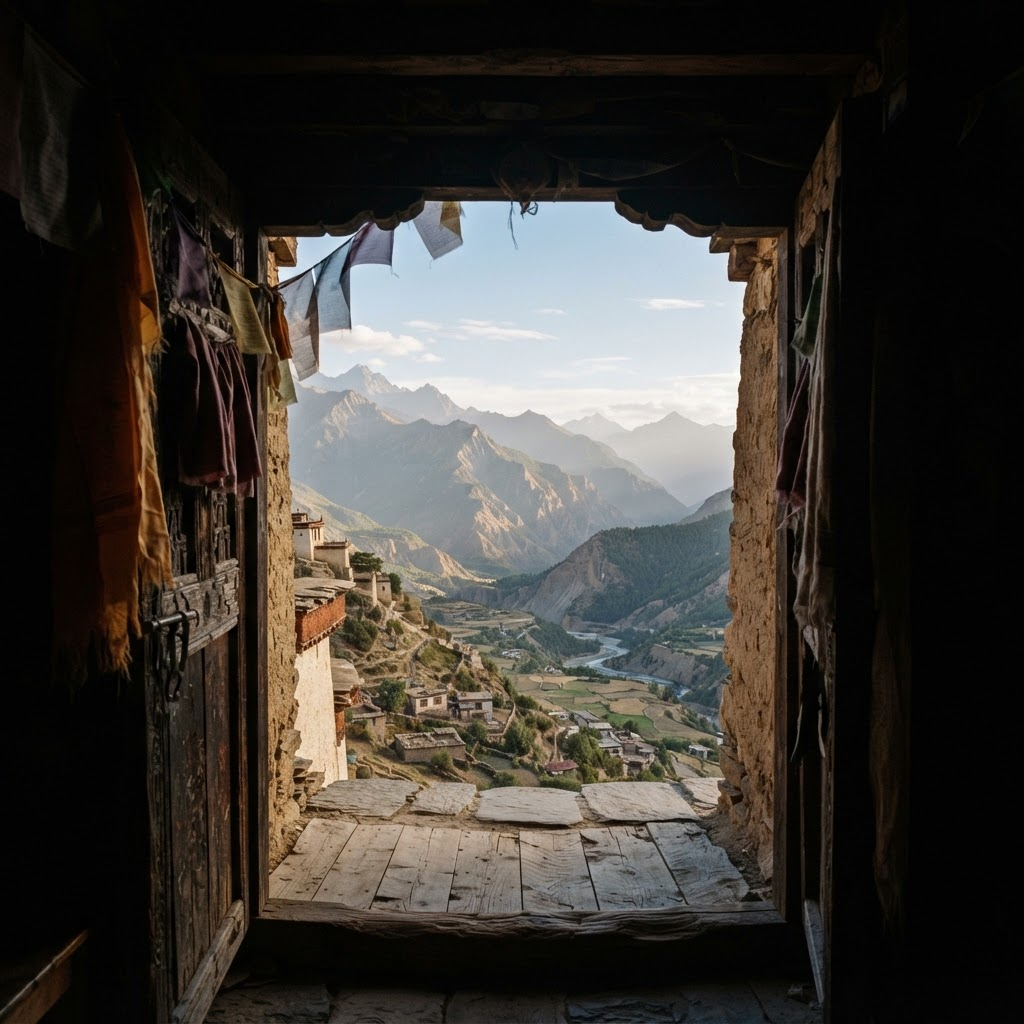
Explore the Lineage
From a Living Tradition to a Particular Lineage
Placeholder introduction that orients the reader before they begin. This page moves from the broadest view of Buddhism inward to the Nyingmapa school, the Nyidrak lineage, and the monasteries and teachers who carry it today.
An Introduction to Buddhism
Before narrowing to a school or a lineage, it helps to begin with the tradition as a whole and the concerns it has addressed for more than two millennia.
Placeholder paragraph describing the foundational orientation of the tradition, the concerns it addresses, and the long arc of transmission from teacher to student that keeps it alive across centuries and cultures.
Placeholder paragraph noting how the tradition took root in different regions and gradually developed into distinct schools, each preserving its own emphases while sharing a common foundation.
- Origin
- Placeholder region
- Tradition age
- Placeholder years
- Major schools
- Placeholder count
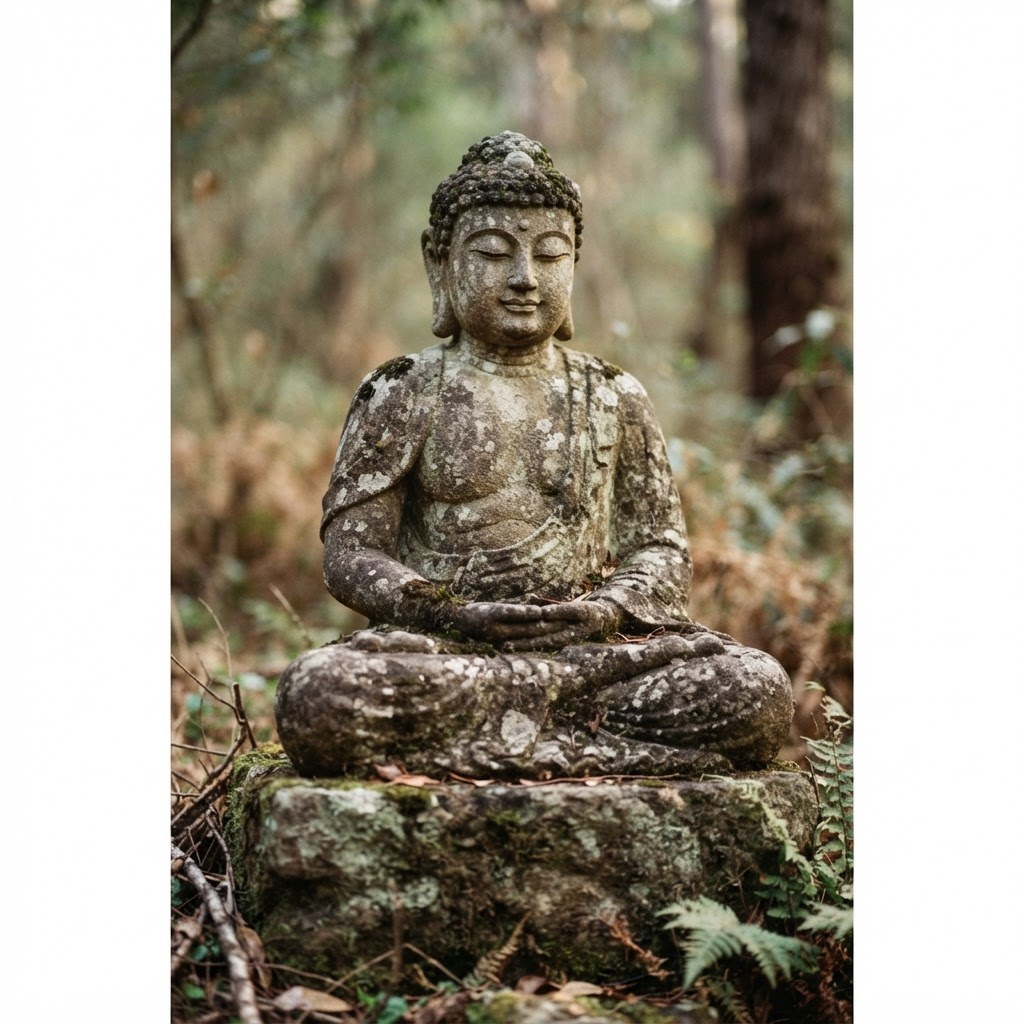
An Introduction to Nyingmapa
The Nyingmapa is the oldest of the schools of Tibetan Buddhism, tracing its transmission to the first translations brought to Tibet.
Placeholder paragraph describing the founding period of the school, the translators and masters associated with it, and the character of the teachings it preserves.
Placeholder paragraph on how the school maintained its transmission through periods of disruption, and the distinctive emphasis it places on its earliest cycles of teaching.
Placeholder paragraph noting the many lineages that developed within the school over time, each with its own monasteries, texts, and holders.
- Also known as
- Placeholder name
- Earliest transmission
- Placeholder century
- Principal seats
- Placeholder count
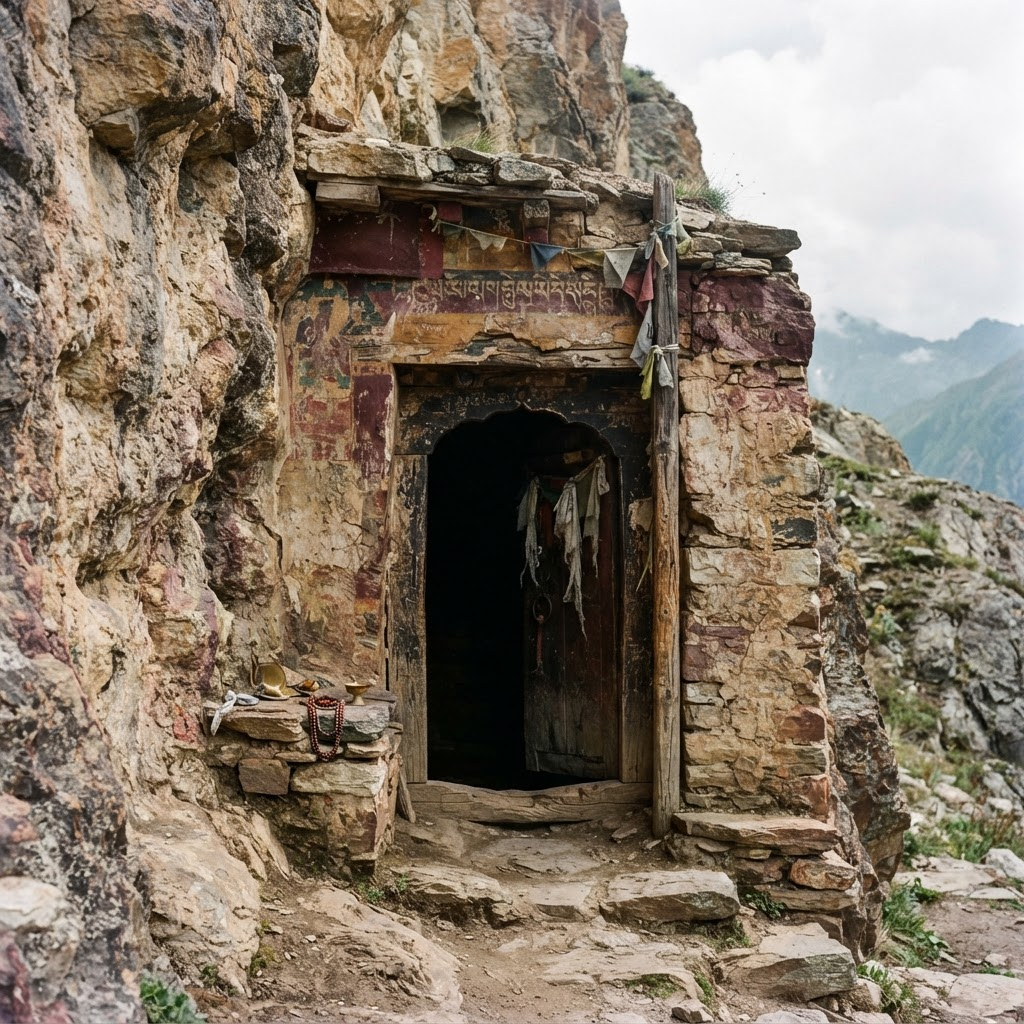
An Introduction to Nyidrak
Within the Nyingmapa, the Nyidrak lineage carries its own line of transmission, its own monasteries, and its own body of practice.
Placeholder paragraph introducing the founding of the Nyidrak lineage and the master from whom it takes its name.
Placeholder paragraph describing what distinguishes this lineage within the wider school, including the practices and texts held particularly closely.
Placeholder paragraph on the present day: the monasteries that remain in Tibet, those re-established beyond it, and the work of preservation now underway.
- Founded
- Placeholder century
- School
- Nyingmapa
- Monasteries
- Placeholder count
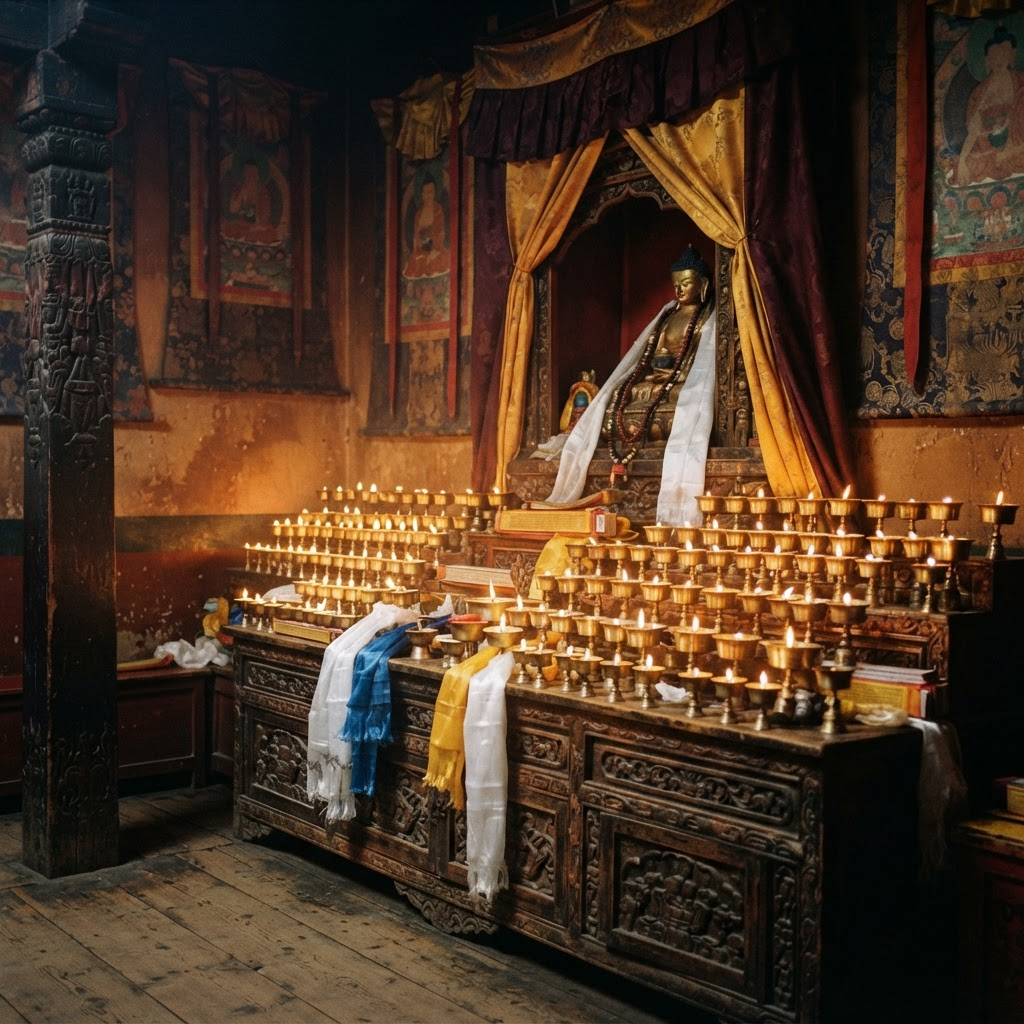
Our Monasteries
Placeholder introduction to the history of the monasteries, those re-established beyond Tibet and those that remain at the original seats of the lineage. Each entry below is a short preview.
Placeholder note about the monasteries re-established in exile.
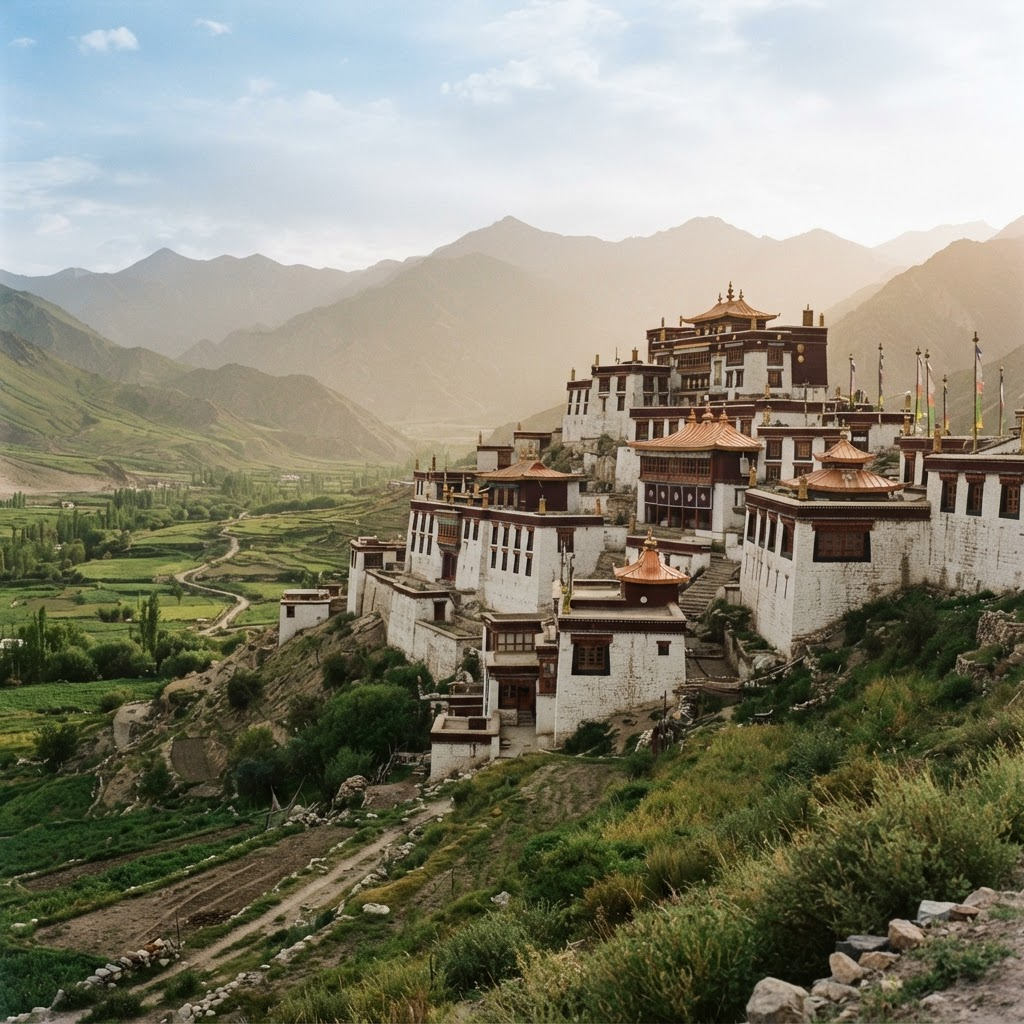
Placeholder Region, India
Zabsang MonasteryPlaceholder one-line description of the monastery re-established in exile.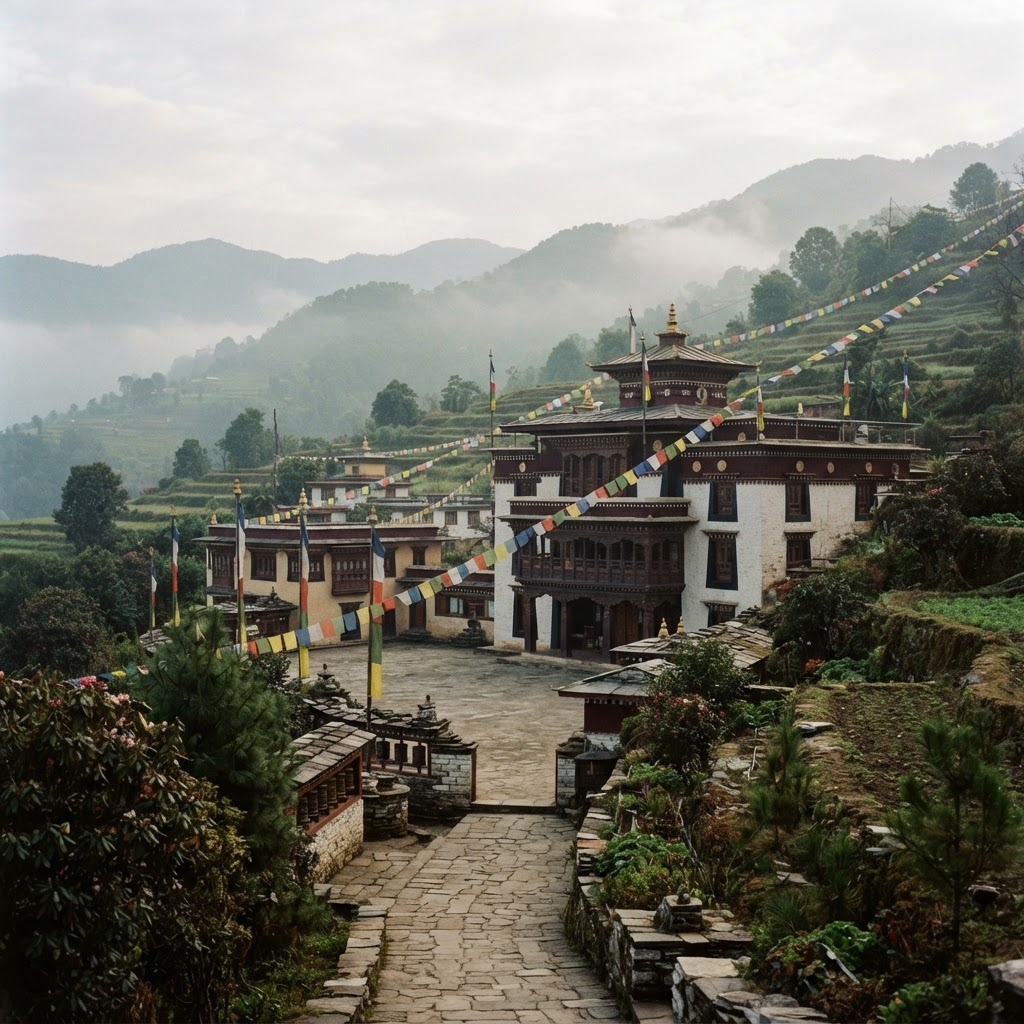
Placeholder Valley, Nepal
Yeshe MonasteryPlaceholder one-line description of the monastery and its resident community.
Placeholder note about the original seats of the lineage.
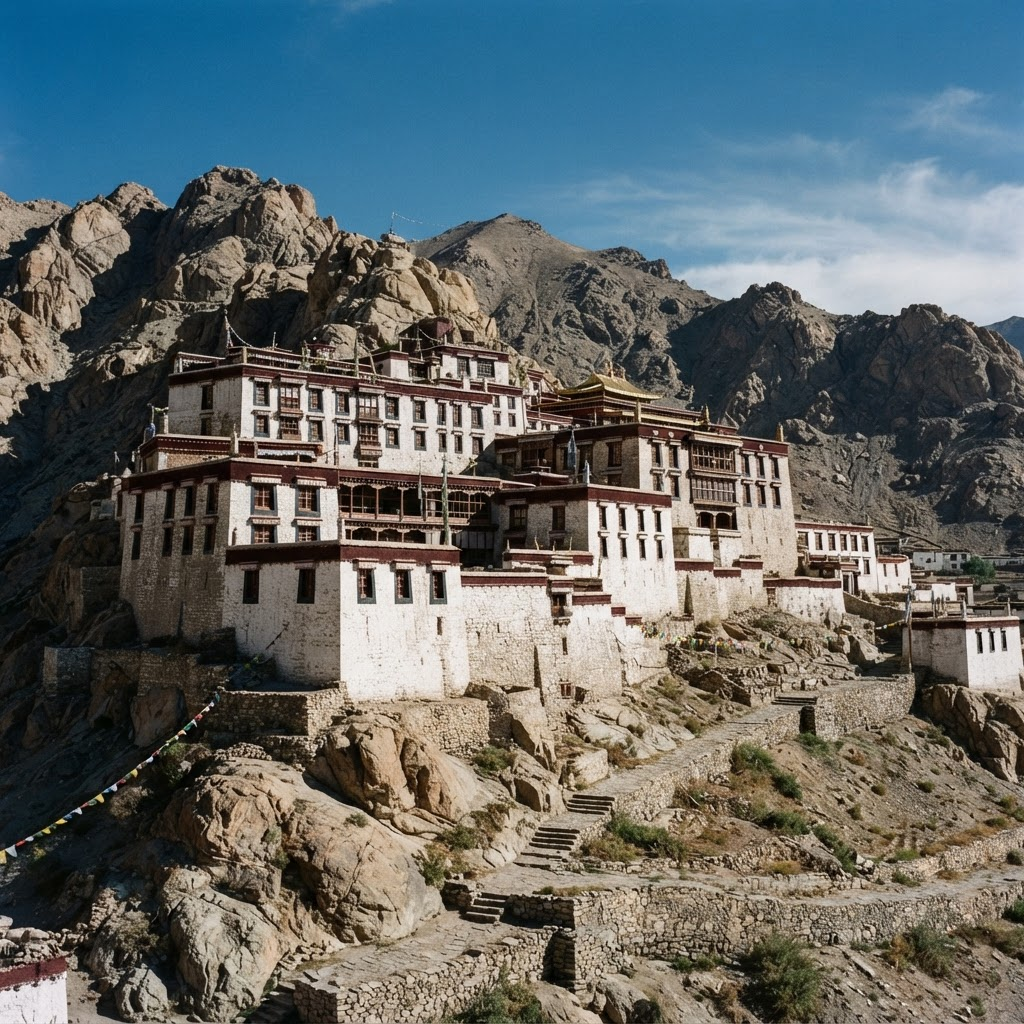
Placeholder Valley, Tibet
Placeholder MonasteryPlaceholder one-line description of the seat of the lineage.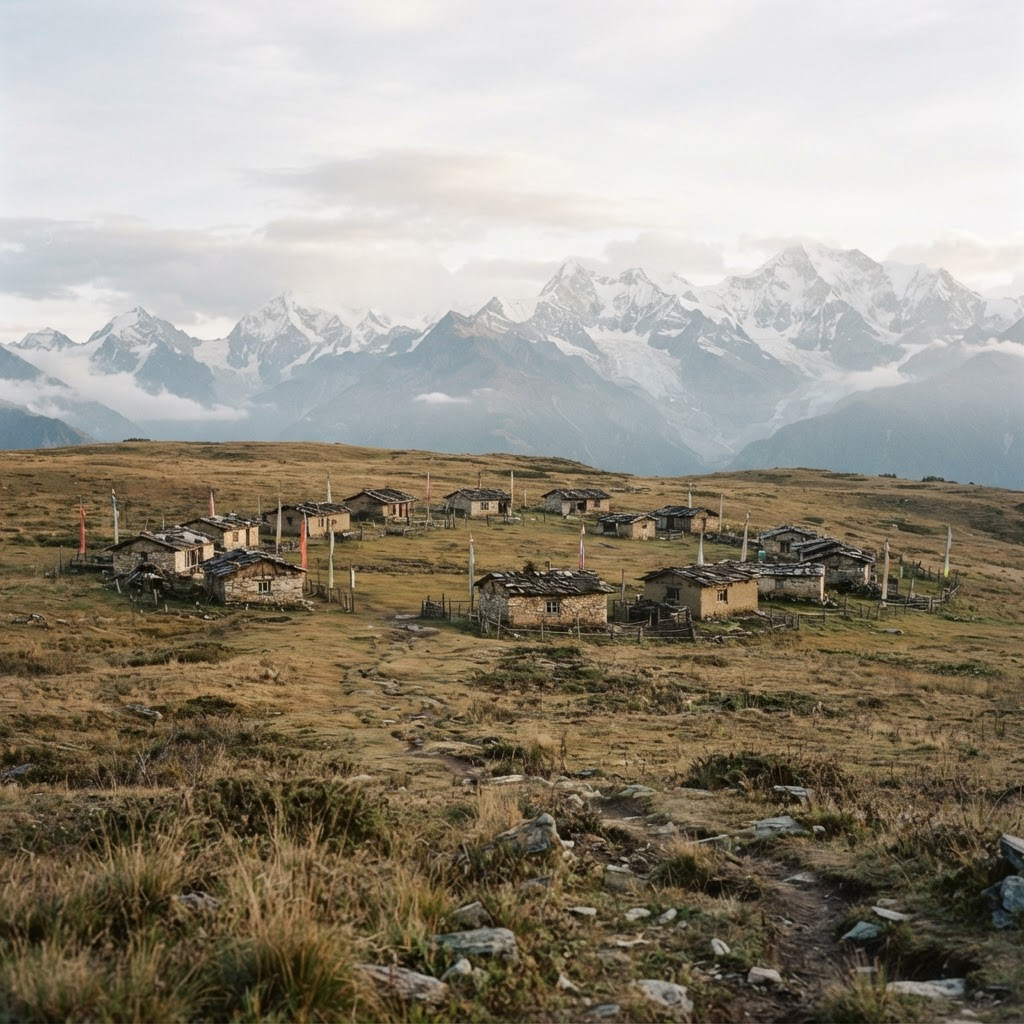
Placeholder Plateau, Tibet
Placeholder HermitagePlaceholder one-line description of the long-retreat hermitage.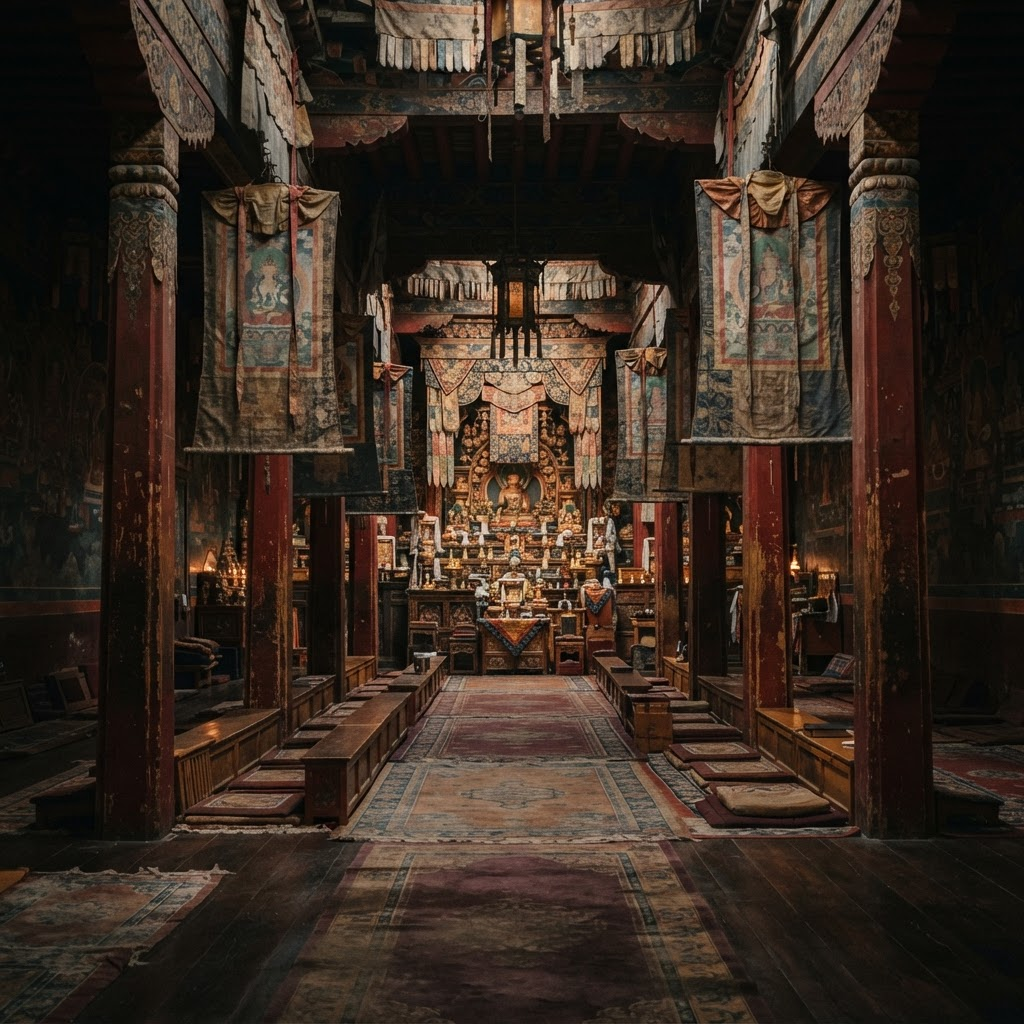
Placeholder Region, Tibet
Placeholder ShedraPlaceholder one-line description of the study college and its curriculum.
Our Teachers
Placeholder introduction to the teachers who hold and transmit the lineage today, from its principal holders to the khenpos who guide study in the monastic colleges.
Principal Teachers
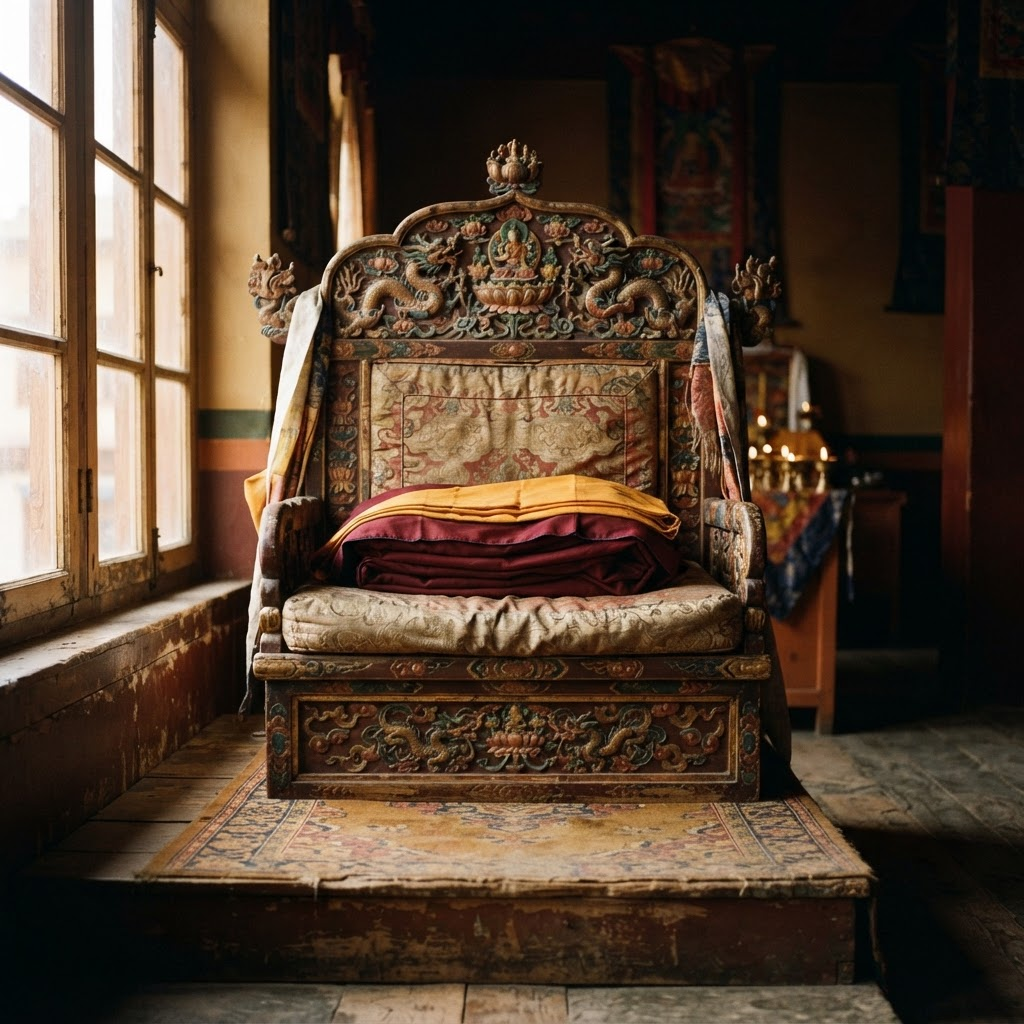
Placeholder Monastery, Tibet
Nyidrak Rinpoche
Head of the Nyidrak Lineage
Placeholder biography of several sentences describing recognition, training, and the principal responsibilities held today. It is long enough to establish this teacher as the anchor of the section without becoming a full life story, and it ends by pointing the reader toward the fuller account.
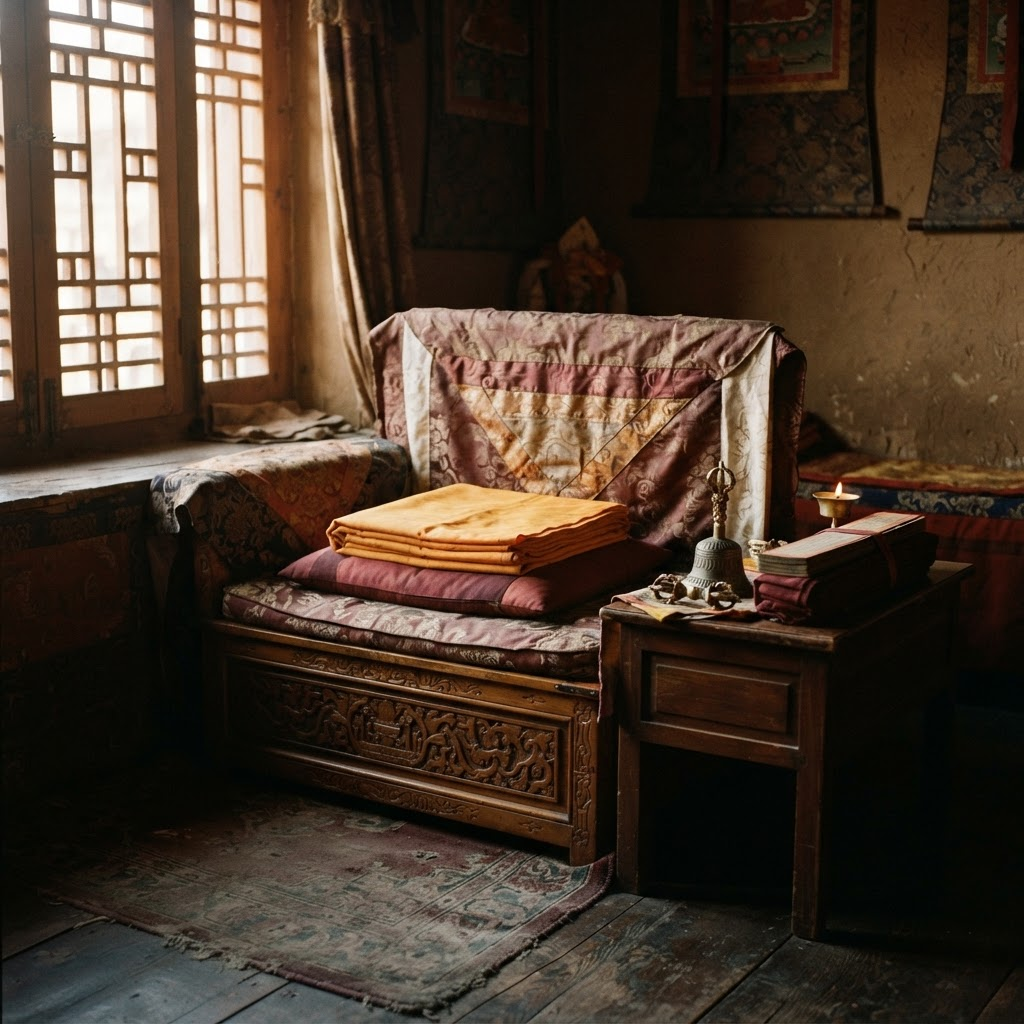
Zabsang Monastery, India
Shartul Rinpoche
Senior Lineage Holder
Placeholder biography of several sentences covering recognition, principal teachers, and current activity across the monasteries and centers. It matches the length of the entry above so both principal holders are presented with equal weight.
Rinpoches in Tibet
Placeholder note about the teachers who remain at the original seats of the lineage. Select any profile to read more.
 Placeholder Rinpoche
Resident Teacher, Placeholder Monastery
 Placeholder Rinpoche
Retreat Master, Placeholder Hermitage
 Placeholder Rinpoche
Abbot, Placeholder Shedra
What are Tulkus?
A tulku is a reincarnate lama — a teacher recognized as the continuation of a previous master's line of emanations. Placeholder sentence expanding on how recognition traditionally takes place.
Placeholder second sentence explaining why these lines matter for the continuity of the lineage. Select any profile below to see that teacher's emanation history.
- Shartul Rinpoche
Third emanation
 Placeholder Tulku
Fourth emanation
 Placeholder Tulku
Second emanation
 Placeholder Tulku
Fifth emanation
What are Khenpos & Khenchens?
A khenpo is a senior scholar who has completed the full course of monastic study and is authorized to teach; a khenchen is a great khenpo, a title of particular seniority. Placeholder sentence on the training this involves.
Placeholder second sentence describing the role khenpos play in the shedras and in the education of younger monks. Select any profile below to read more.
- Placeholder Khenchen
Senior Khenchen, Placeholder Shedra
- Placeholder Khenpo
Khenpo, Zabsang Monastery
- Placeholder Khenpo
Khenpo, Yeshe Monastery
- Placeholder Khenpo
Khenpo, Placeholder Monastery